A Card Game for Learning to Read

Every sound tells a story .

Sound Story is a card game that teaches children to read. Players match pictures to sounds, build words, and tell stories together. No reading required to start.

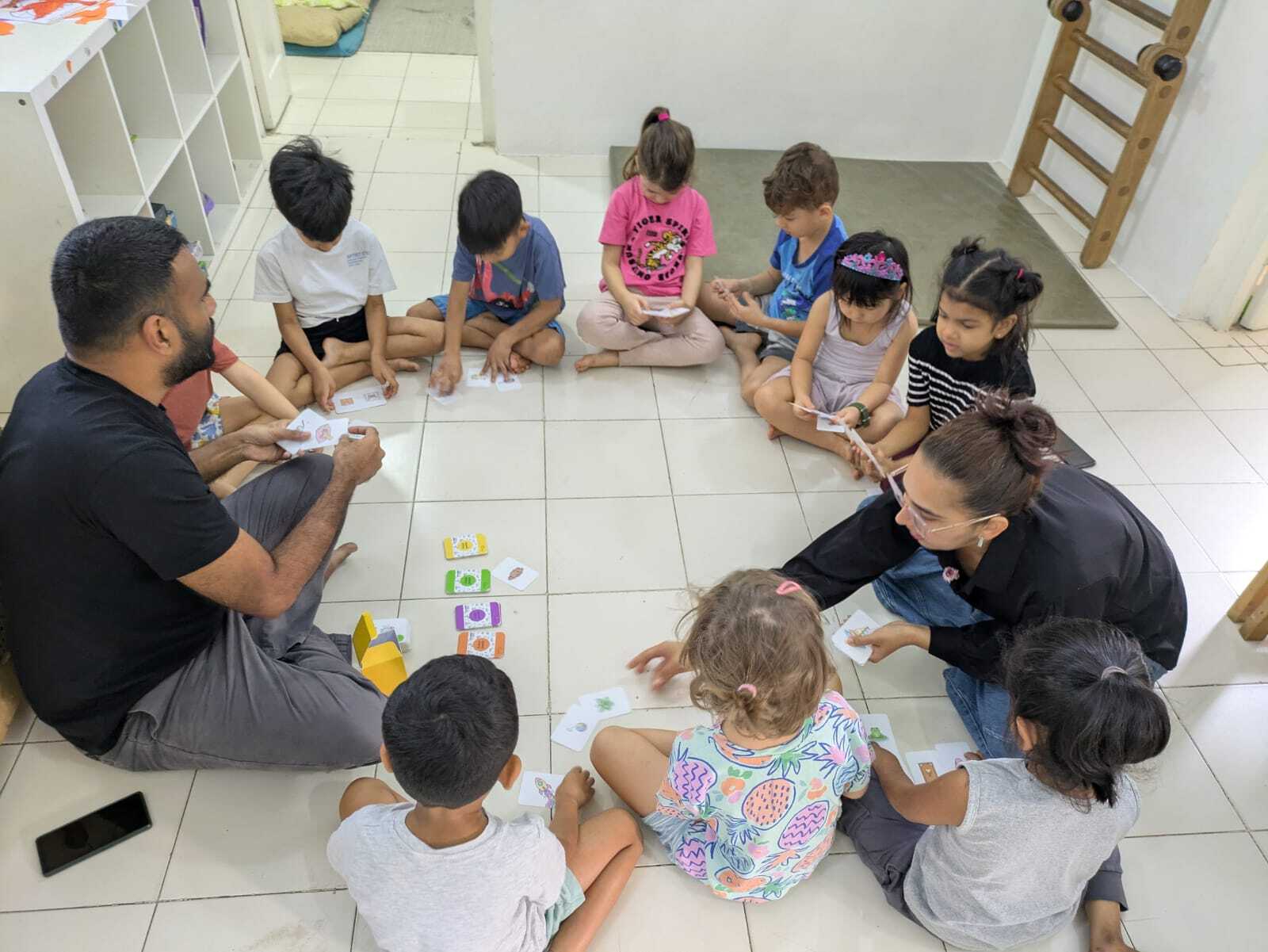
Children playing Sound Story
Puzzle Piece
“The search is the learning” Core Game Philosophy
The Game

Three types of cards.
One simple idea: map, don’t memorise!

Children already know how to speak. They make dozens of sounds every day. What they don't yet know is which letters stand for those sounds. Sound Story bridges that gap using pictures.

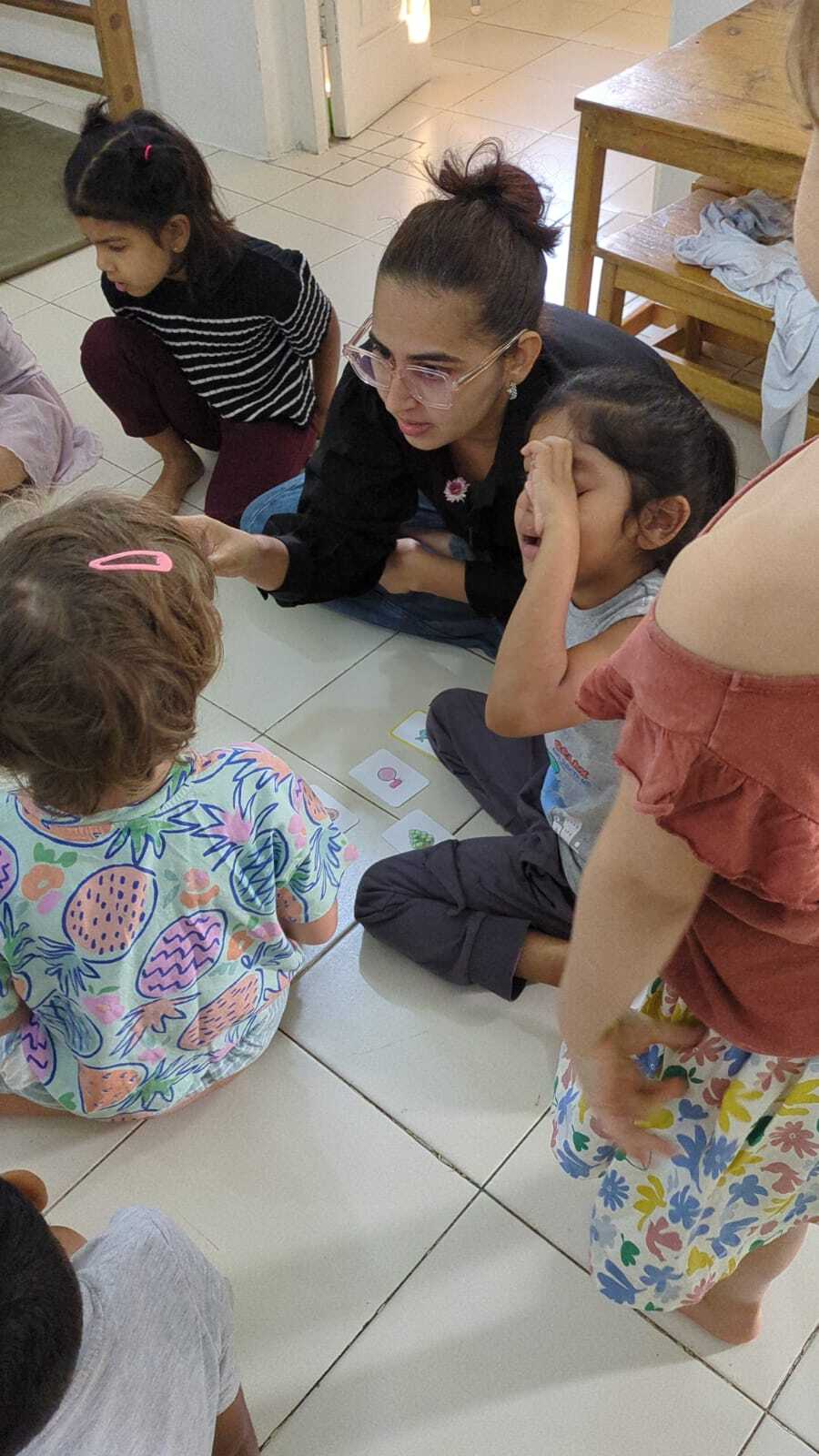
Children playing Sound Story

The game has three types of cards

Sound Card
THE ANCHOR

Sound Cards

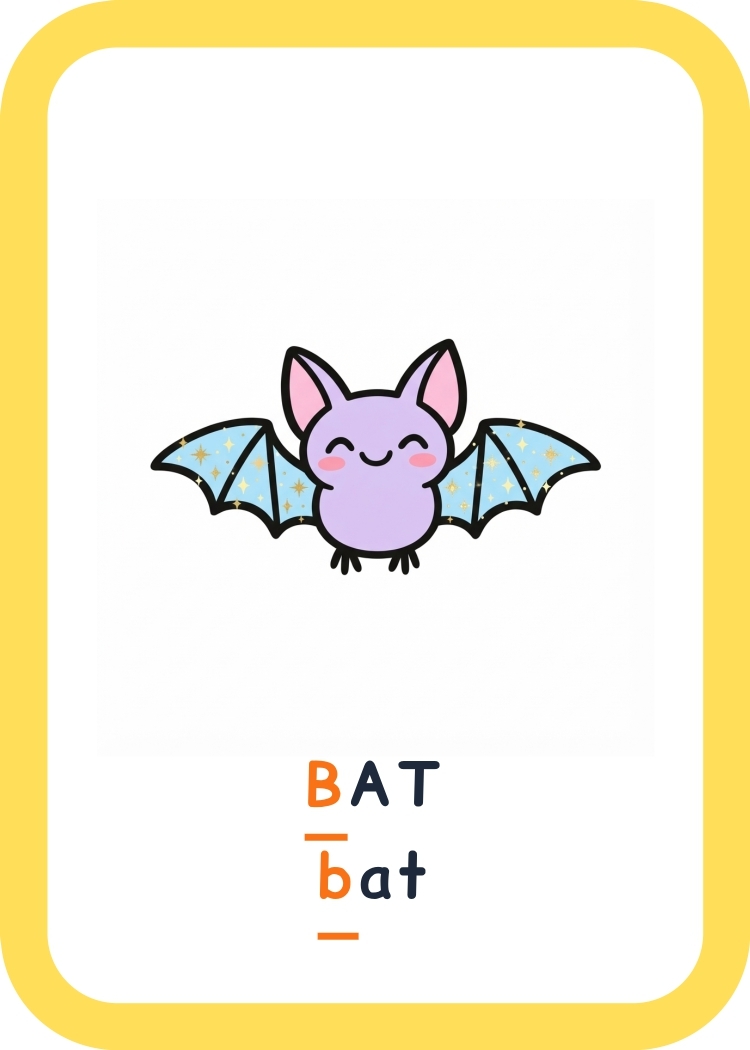
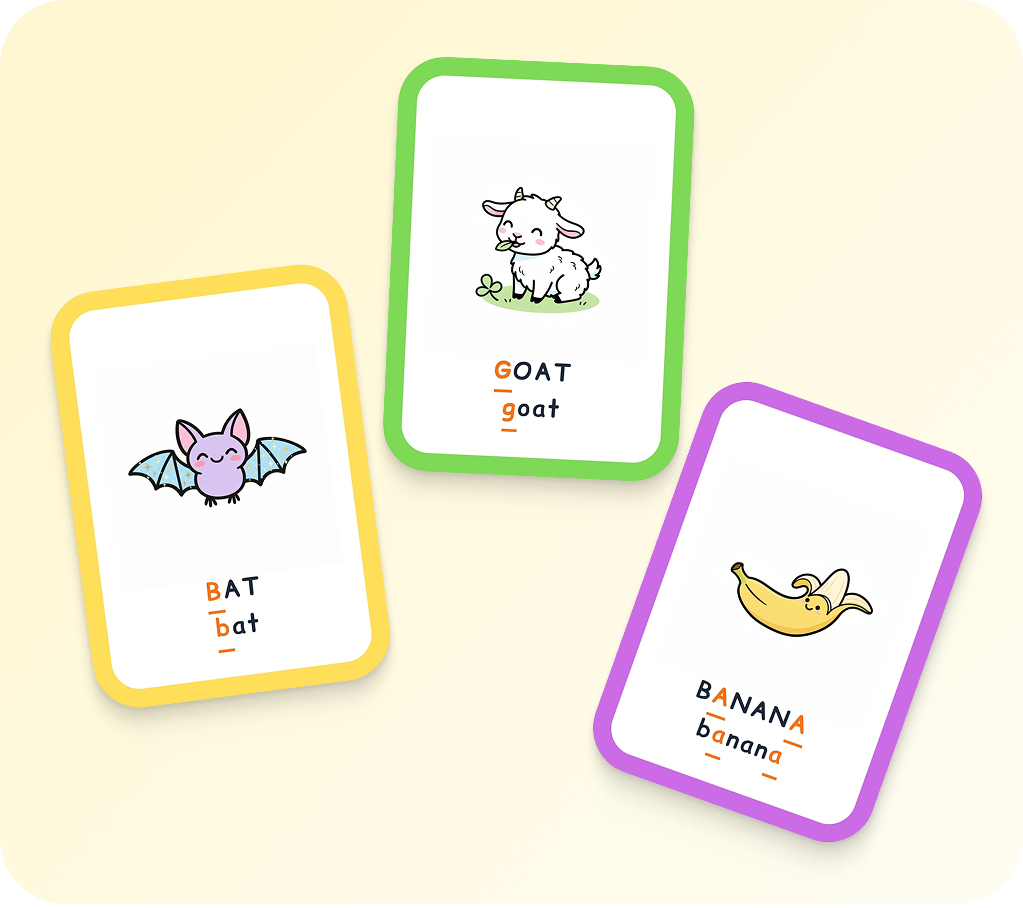
Each card shows a letter and a picture. The picture helps the child remember what sound the letter makes. For example, the letter 'b' comes with a picture of a bat. So 'b' becomes "b as in bat" — a sound they already know how to say.

Image Card
THE TARGET

Image Cards

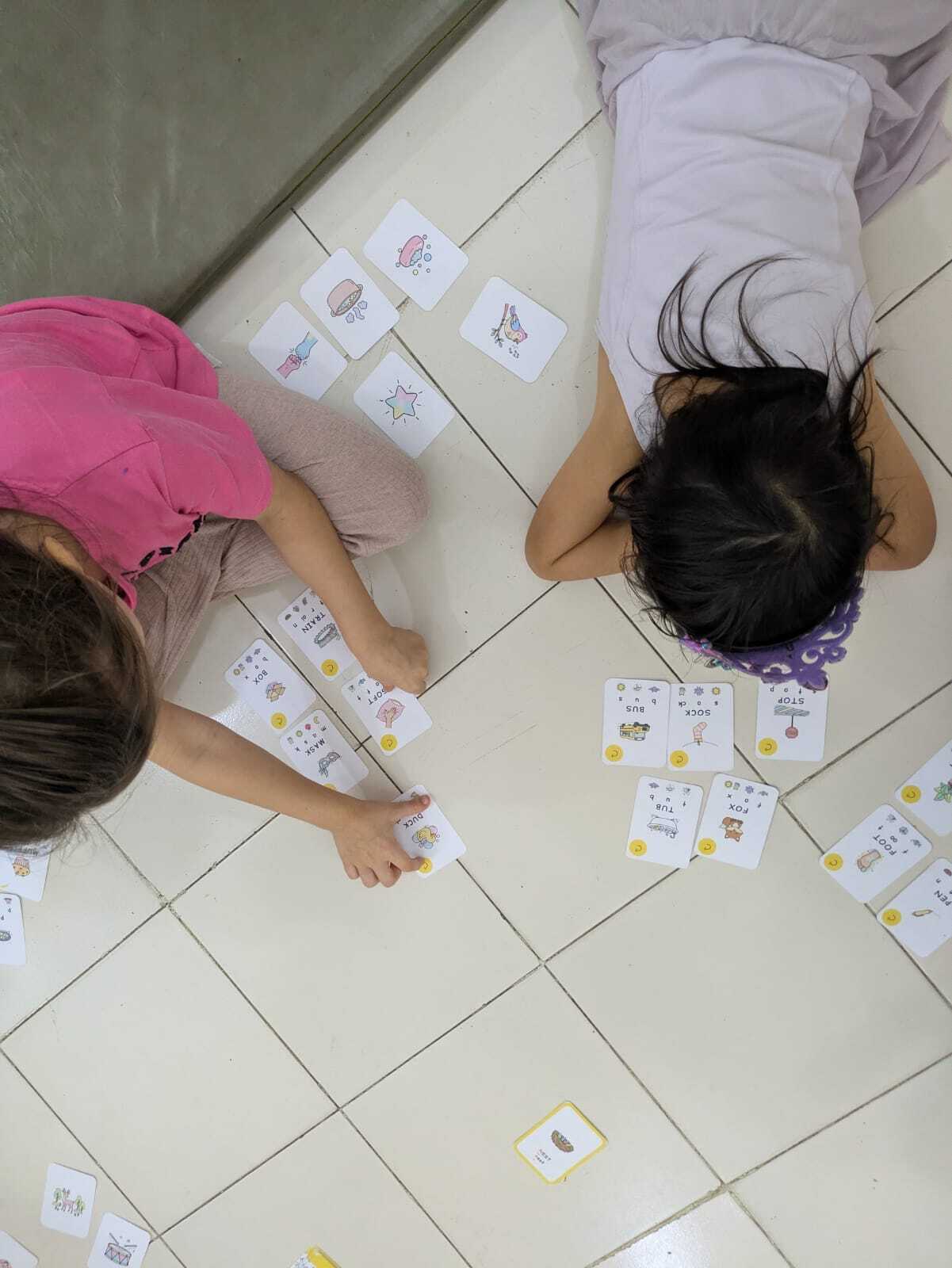
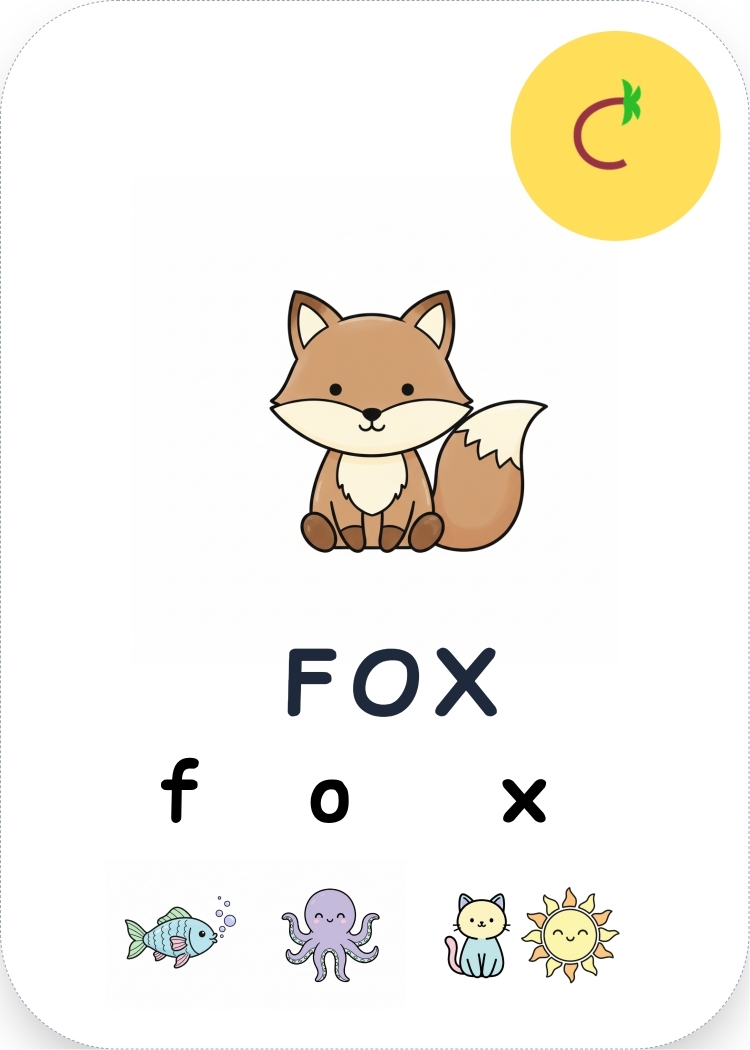
These show a picture on the front, say, a bus. On the back, the word is broken into its sounds, with small icons the child can use to check their own answer. (More on this below.)

Scene Card
THE PRODUCTION

Scene Cards

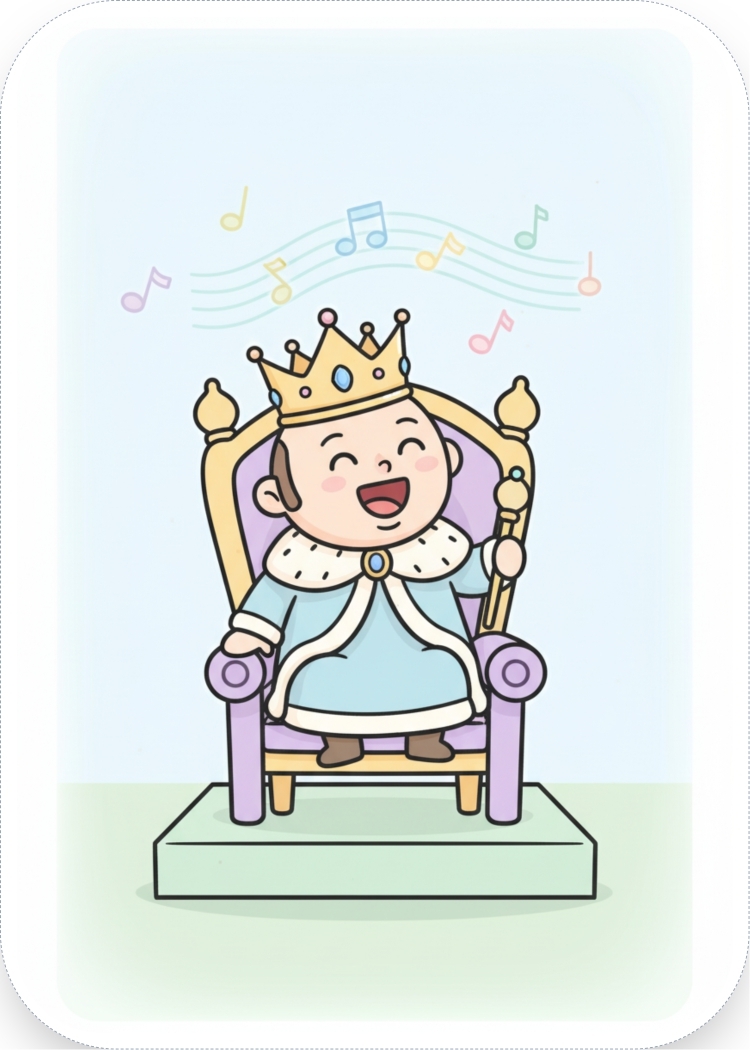
These show illustrated scenes like a king sitting on a throne, singing. Because each scene contains many objects, they're more likely to match a Sound Card, making them a strategic play. The scenes also expose children to rhyming words, building an ear for how words sound alike.

"Children don't need to read to play.
The pictures do the heavy lifting."

THE SCIENCE

Learning by mapping, not memorising.

Children learn to speak by linking sounds to things they already know — they hear "water" while seeing and drinking water. That's how the brain prefers to learn. Most phonics tools work against this: they show a letter, ask "what sound does this make?", and the child either knows or doesn't. The new information floats with nothing to hold onto.

Sound Story works with the brain, not against it.
Here's how:

1

A picture makes the unfamiliar familiar.

The child sees the letter 'b' — just a shape on its own. But the card also shows a bat. Now 'b' isn't an abstract symbol. It's "the letter that starts bat." The picture bridges what the child already knows (the sound) to what they're learning (the letter).

2

The child searches for connections.

A sound is called out — "/b/ as in bat!" — and the child scans their own cards. A bus? That starts with /b/. A tub? That ends with /b/. This active searching is where the real learning happens.

3

They check their own answer.

Flip the card over. Small icons show the sounds in the word. If the bat icon appears, the match was right. If not, the child sees what sounds the word actually contains and learns from that too. No adult needs to judge. The card tells them.

Why this matters: Each successful match strengthens the connection between that letter and that sound. A child is more likely to remember because they figured it out themselves, rather than being told.
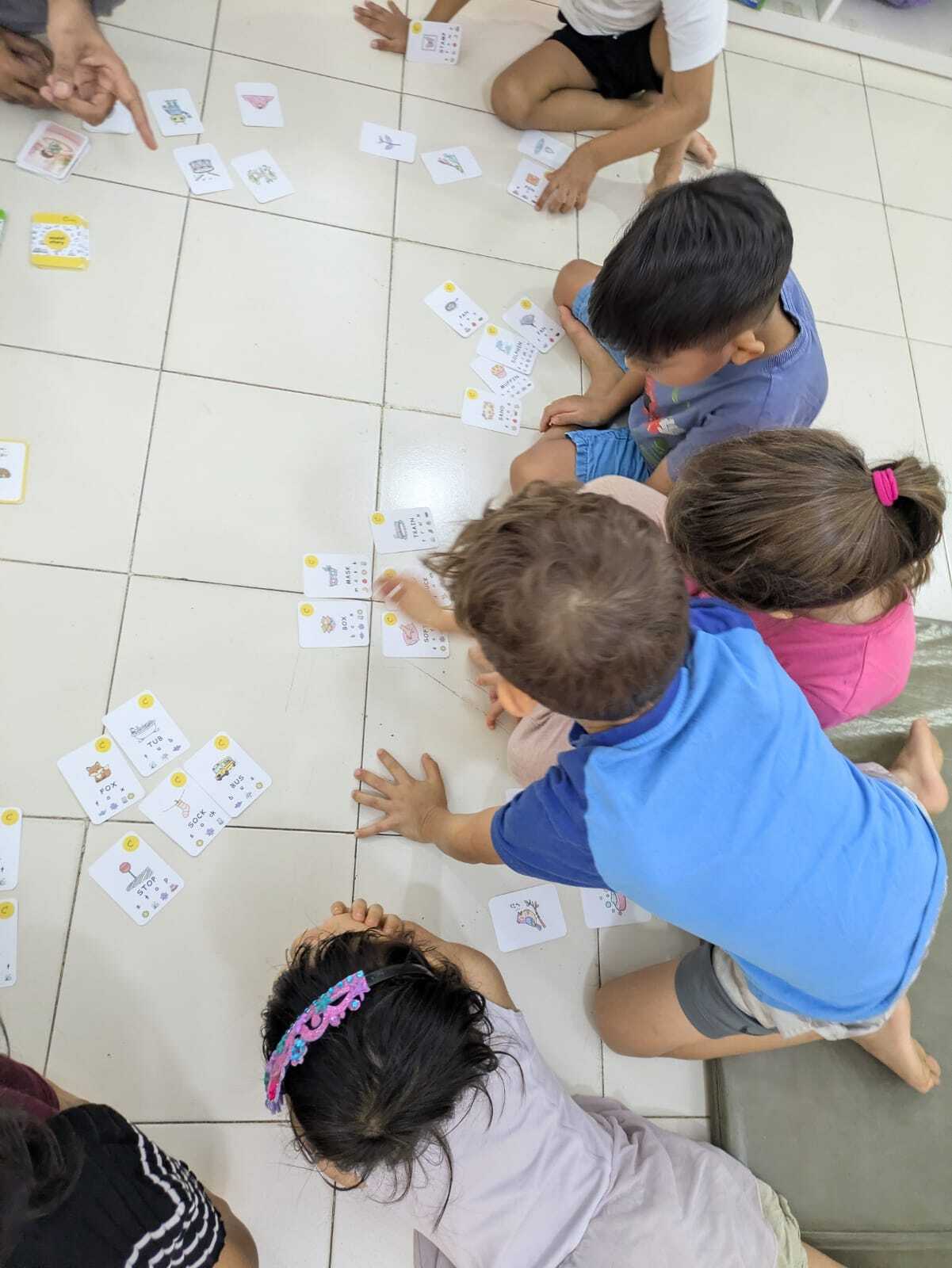
Children playing Sound Story THE FRUIT BOWL ANALOGY
GAMEPLAY

How to play Sound Story

1

Phase 1: Preparation

Difficulty Selection

Choose your level. Level 1 (Yellow) focuses on initial sounds. Level 2 (Green) introduces complex phonics.

Step Visualization